
One dog is a manageable amount of cleanup. Three dogs, or a pair of large breeds, is a different sport entirely. Keeping a yard clean with multiple dogs means staying ahead of a volume of waste that can turn a nice lawn into a minefield in a single weekend. If you have a small pack, you already know the numbers add up fast, and in 2026 more multi-dog households are looking for a system rather than a scramble.
This guide covers how to build that system: the math of multi-dog waste, the tools that keep it fast, and a schedule that stops the mess from ever getting ahead of you.
Why multiple dogs change the whole equation
The problem is not linear. Two dogs do not just double the waste, they double the frequency and spread it over more of your yard. Miss a day with one dog and you have one or two piles. Miss a day with four dogs and you have a scattered field that is genuinely unpleasant to tackle.
Larger yards make it worse, because waste hides in tall grass, along fence lines, and behind bushes. A pack of dogs will use the whole space, which means you cannot just check one favorite spot and call it done.
How do you keep a yard clean with multiple dogs?
The answer is consistency plus the right equipment. You need a tool that lets you clear several piles quickly without bending for each one, and a routine tight enough that waste never accumulates past a single day.
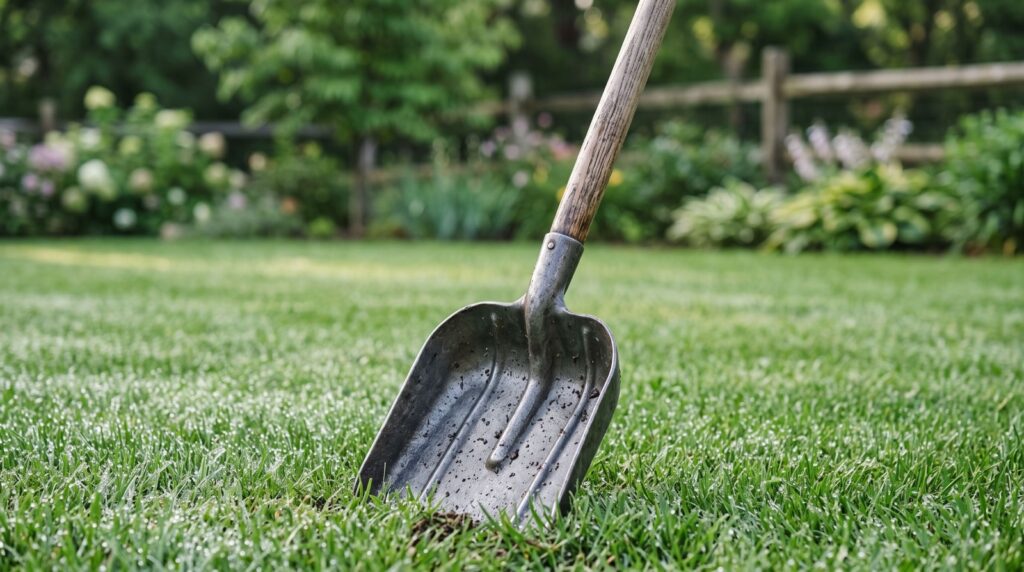
A long-handled scooper is the backbone of any multi-dog system. A dependable Pooper scooper lets you move across the yard in one standing pass, gripping and dropping each pile into a bag without stopping to crouch. For a pack owner, that speed is the difference between a five-minute chore and a dreaded half hour.
The multi-dog cleanup kit
A few pieces of gear make pack cleanup far less painful.
- A durable stand-up scooper that survives daily heavy use across seasons.
- Extra-strong bags since one bag now carries several pickups.
- A dedicated covered bin near the yard so waste goes straight to containment.
- Gloves for the occasional messy fence-line job.
- A hose for spot-rinsing pavement and cleaning the tool afterward.
Comparing cleanup frequency for pack sizes
How often you clear the yard should scale with how many dogs share it. This table gives a realistic baseline.
| Number of dogs | Recommended clean-up | Bag capacity per session |
|---|---|---|
| 1 dog | Once daily | 1 to 2 pickups |
| 2 to 3 dogs | Once or twice daily | 3 to 5 pickups |
| 4 or more dogs | Twice daily | 6 or more pickups |
A schedule that keeps a pack yard clean
Volume demands rhythm. This routine keeps even a busy multi-dog yard under control.
- Do a morning sweep of the whole yard, not just the usual spots.
- Add an evening pass if you have four or more dogs.
- Walk the fence line and behind shrubs once a day, where waste hides.
- Empty and seal bags into the covered bin immediately after each session.
- Deep-clean high-traffic zones with a hose rinse once a week.
When you fall badly behind, perhaps after a vacation, it can be worth calling quality service providers to reset the yard, then resuming your own daily system from a clean slate.
Why volume makes hygiene more urgent
More dogs means more concentrated waste, and that raises the stakes for water runoff and parasite spread. The ASPCA general dog care guidance emphasizes prompt waste removal as part of responsible ownership, and with a pack the consequences of neglect compound quickly. A yard that serves several dogs can become a parasite reservoir far faster than a single-dog space.
Sealing everything properly is non-negotiable when you are handling six pickups at once. Choosing heavy Dog duty Bags stops the whole load from splitting on the walk to the bin, which is exactly the disaster you want to avoid with a pack-sized pickup.
Protecting your lawn from a busy pack
Multiple dogs do not just leave more waste, they can wear down and burn the grass they share. The nitrogen concentration from frequent use yellows patches and kills turf if waste is left to break down in place.
Daily removal is the single best defense. Beyond that, rotating where the dogs tend to go, if you can gently steer them, spreads the impact so no one spot takes the full load. A weekly hose-rinse of the most-used zones dilutes lingering residue and keeps both the smell and the lawn damage under control. A pack yard can stay green, but only if the cleanup keeps pace with the traffic.
Frequently Asked Questions
How often should I clean a yard with three dogs?
At least once daily, and ideally twice, is best for three dogs. Twice-daily sweeps keep the volume manageable and stop waste from spreading across the whole yard between cleanings.
What is the fastest way to clean up after several dogs?
A long-handled stand-up scooper is the fastest method. It lets you move across the yard in one upright pass, gripping and bagging each pile without stopping to crouch for every one.
Can I use one bag for multiple pickups?
Yes, if the bag is strong enough. Heavy-duty bags handle several pickups at once, but flimsy bags risk splitting under the weight, so bag strength matters more with a pack.
How do I stop waste from killing my grass?
Remove waste daily and rinse high-traffic spots with a hose. Prompt removal prevents the nitrogen concentration that burns and yellows lawn, keeping the grass healthier under heavy dog use.
Final thoughts
Managing a multi-dog yard also teaches you to read your pack. You notice which dog favors which corner, when after meals the rush tends to come, and where waste likes to hide. That awareness lets you target your sweeps and finish faster, turning an overwhelming chore into a quick, predictable routine.
Keeping a yard clean with multiple dogs is about system, not heroics. Pair a tough stand-up scooper with strong bags, run a twice-daily sweep that covers the whole space, and seal everything the moment you pick it up. Do that consistently and even a house full of dogs stays fresh, walkable, and safe for the whole family.