
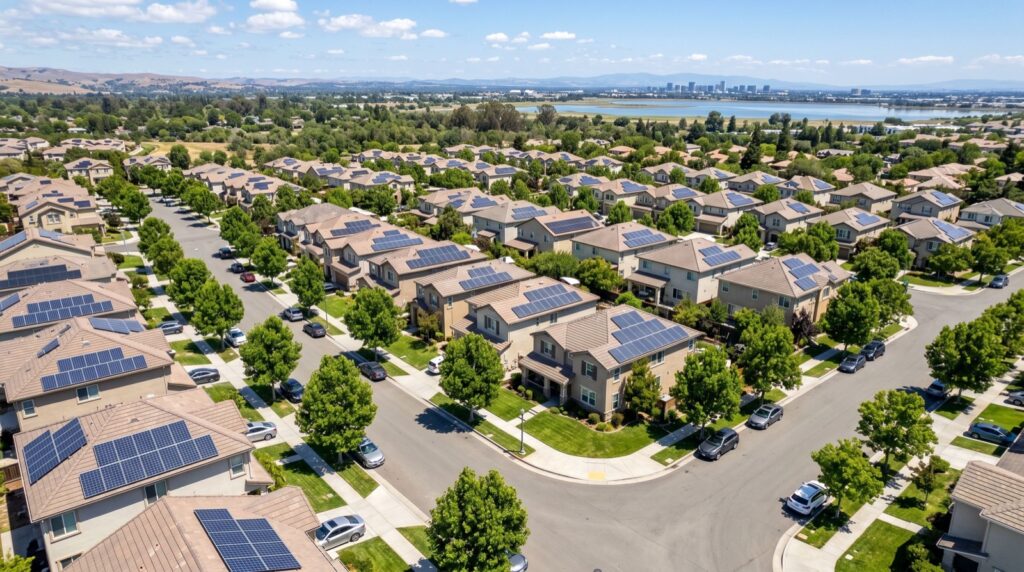
Best Solar Company in Pakistan: 2026 Homeowner’s Rooftop Guide
Rooftop solar has quietly become one of the smartest home upgrades in Pakistan. Between rising grid tariffs and frequent outages, a well-planned rooftop array now delivers savings and independence that few other investments can match. But results depend heavily on choosing the best solar company in Pakistan and understanding what actually goes onto your roof. This 2026 guide breaks it down for homeowners.
We will cover how rooftop systems are designed, which components matter, what maintenance really involves, and how to avoid the mistakes that leave people disappointed. By the end, you will know exactly what to look for before a single panel is bolted down.
What Makes a Rooftop Solar System Work
A rooftop system has four core parts: solar panels, an inverter, mounting structure, and the wiring and protection that tie them together. Panels convert sunlight into DC electricity, the inverter turns it into usable AC power, and the mounting keeps everything secure through wind, rain, and heat.
The magic is in how these parts are matched. Panels that overwhelm an undersized inverter waste energy. A strong inverter fed by too few panels sits idle. Getting the ratio right is the core skill that the best solar company in Pakistan brings to your project.
Why roof orientation and shade decide your output
In Pakistan, a south-facing roof tilted to your latitude captures the most sun across the year. Even a small patch of shade from a water tank, parapet, or nearby tree can drag down a whole panel string. A proper site survey maps these obstacles before design, which is why skipping the survey is a costly error.
Sizing Your Rooftop System Correctly
System size should track your actual electricity use, measured in units per month, rather than your roof area or your neighbor’s setup. Oversizing wastes money on export you are underpaid for, while undersizing leaves you still buying expensive grid power.
| Home Type | Typical Monthly Units | Suggested System | Roof Space Needed |
|---|---|---|---|
| Small home / apartment | 300 to 500 | 3 to 5 kW | 200 to 350 sq ft |
| Mid-sized home | 600 to 1,000 | 7 to 10 kW | 450 to 650 sq ft |
| Large home | 1,200 plus | 12 to 15 kW | 800 plus sq ft |
Treat these as starting points. The best solar company in Pakistan will refine the figure using your last twelve months of bills, because seasonal swings between summer cooling and winter demand matter for accurate sizing.
Panels, inverter, and the accessories that hold it together
Beyond the headline panels and inverter, the smaller components decide reliability. Quality connectors, surge protection, breakers, and earthing prevent faults and keep your warranty intact. When you shop for solar accessories in Pakistan, insist on branded protection devices rather than the cheapest available, since these parts guard your entire investment.
How Much Maintenance Does Rooftop Solar Need?
Rooftop solar is refreshingly low-maintenance, but “low” is not “none.” Dust is the main enemy in Pakistan’s climate, and a layer of grime can shave several percent off output. A gentle rinse every few weeks during dry months keeps panels producing near their rated capacity.
Beyond cleaning, an annual inspection of connections, mounting bolts, and inverter health catches small issues before they become expensive. Most quality inverters display performance data, so you can spot a dip in generation early and call for service.
Simple maintenance habits that protect your returns
- Rinse panels during long dry spells to remove dust.
- Check the inverter display monthly for error codes.
- Keep nearby trees trimmed to avoid creeping shade.
- Schedule a professional check once a year.
- Log your monthly units so you notice any decline.
One practical insight from years on rooftops in Punjab and Sindh is that early morning is the best time to clean. Panels are cool then, so cold water will not stress the hot glass, and you avoid the safety risk of a slippery, blazing roof at midday. This small habit protects both the panels and the person cleaning them.
Common Rooftop Solar Mistakes to Avoid
Most disappointing solar installations trace back to a handful of avoidable errors. Homeowners who understand these traps ask better questions and end up with systems that perform for decades rather than years.
The first mistake is chasing the lowest quote without checking what was removed to reach that price. The second is ignoring shade during the survey, which quietly cripples output. The third is pairing premium panels with a weak inverter, which throttles the whole system. Awareness of these pitfalls is half the battle.
Plan for expansion from day one
Families grow, appliances multiply, and electric vehicles are arriving. A thoughtful design leaves room to add panels later without replacing the inverter or rewiring the roof. Asking your installer to allow headroom for future expansion is a small request in 2026 that pays off handsomely as your energy needs rise.
Choosing the Right Partner in 2026
Reputation, transparency, and after-sales support separate the best solar company in Pakistan from the crowd. Look for a firm that surveys your roof, explains its equipment choices, handles net metering, and stands behind a written warranty. According to the International Energy Agency (IEA), solar is now the fastest-growing source of electricity worldwide, and that momentum has drawn many new installers into the market, so due diligence matters more than ever.
Ask for references and, ideally, visit a completed installation. A confident company happily connects you with past customers. When you want dependable workmanship, choose the best solar company in Pakistan that keeps installation in-house and offers real support after the sale. Many homeowners also cross-check recommendations from trusted professionals before making a final decision.
Frequently Asked Questions
How long does a rooftop solar system last?
Quality panels carry performance warranties of 25 years or more and often keep producing well beyond that. Inverters typically last 10 to 15 years before replacement. With basic maintenance, a rooftop system remains productive for decades.
Will rooftop solar work during load-shedding?
A pure grid-tie system shuts off during an outage for safety. If you want power during load-shedding, choose a hybrid inverter with battery backup. Your installer can design the setup around your backup needs.
How much roof space do I need for solar?
Roughly 65 to 70 square feet of unshaded roof supports each kilowatt of panels. A 10 kW system therefore needs around 650 square feet. A site survey confirms whether your roof can host your target size.
Is rooftop solar worth it in 2026?
Yes. With high grid tariffs and net metering credits, most systems pay back within a few years and then deliver low-cost power for decades. The value proposition has rarely been stronger.
Conclusion
Rooftop solar rewards homeowners who plan carefully and choose wisely. Size the system to your real usage, insist on quality panels and accessories, keep up light maintenance, and partner with the best solar company in Pakistan you can find. In 2026, a thoughtfully installed rooftop array cuts your bills, adds resilience, and pays for itself faster than most home improvements. Book a free rooftop assessment and take the first step toward energy independence.